
A Home Purchase using Solar Lease
Buying a Home by using a Solar Lease
You’ve spent hours searching for the ideal home that has everything you require, including solar panels. A solar panel lease could be a challenge if you’re in the market for a house. It may also make it more difficult to find the right property.
[xfield_company] is an avid advocate of renewable energy sources in all forms. However, the system must be financially viable. Customers can purchase solar panels and other accessories. These are mostly for projects. This article is for people who are looking for full-scale solar solutions. It explains all you need to know about purchasing a home with solar panels that you lease.
Which are the solar panel types? What are their advantages?
Solar panels convert sunlight into energy. They can also generate electricity that can be stored either in thermal storage or batteries. Solar panels are now becoming more popular in homes, particularly in sunny areas. This gives homeowners more value for their money.
Solar panels will help you save money on your electricity bills. But the savings you make will depend on how large your solar energy system is and how much sun is available, and the length of lease you have, and whether or not you purchase the panels. The savings you make will be affected by your utility company. It’s all about how they determine electricity rates and how they compensate you for excess solar energy that is sent through the grid. National Utility Rate Database National Utility Rate Database displays the current electricity rates for your region.
What is the process for leasing solar panels function?
Let’s first explain how solar panel leasing is done and what it can mean to potential buyers of homes. The benefits of solar panels that are leased to homeowners are affordable and clean. You don’t need to purchase an entire home system.
There are off-grid solar panels placed on boats, RVs, cabins and other small structures. Property owners have two options: they can either lease their equipment or purchase the system in money or finance.
A solar lease allows you to obtain the labor and parts of a solar installation for an affordable cost or with no upfront expense in exchange for a fixed monthly cost. The solar lease functions in the same way as auto leases, or another type of loan that is structured. The lessee doesn’t technically own the property (or the solar panels) however.
Are solar panels suitable for your home?
Solar panels will increase property value. You could save money on energy costs when you purchase a house that has solar panels already installed. This will add value to your home.
The National Renewable Energy Laboratory discovered that solar panels{ fully|| that are fully} paid off can add up to $20 to the value of your home for every dollar of energy savings. Solar panels increase home size by about $18,000 in sunny states such as the region.
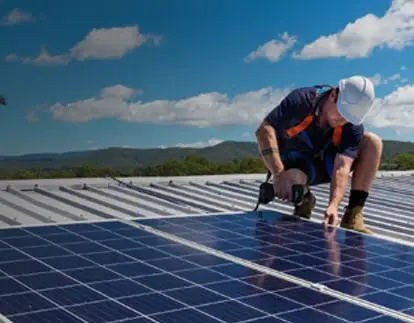
Solar Leases vs Solar PPAs
While solar leases and solar purchase power agreements (often called PPAs) are both a possibility for solar power purchases but they’re quite different. The primary difference lies in the structure of the payment plan.
The solar lease can be described as a contract that demands a monthly fee for the installation. By using net metering, solar energy produced by the system could be used to credit the home’s electric bills.
The solar power purchase agreement (PPA) is a contract between home and building owners to purchase the actual solar energy produced by the solar panels leased to an amount that is lower than typical utility expenses. PPAs are more prevalent at commercial and utility scale solar power levels.
What is the average length of solar leases?
Solar leases generally last between 20and 25 years. If you purchase a property equipped with solar panelsinstalled, then it could be many decades before the terms of your contract end. You can also “buy out” most solar energy systems at any point during the term of your lease, depending upon the market fair value and the conditions.
You may also end leases on solar before the due date. This may be subject to additional charges based on the provider. The lease will expire and those who do not wish to renew it could get the solar system removed at no cost.
Are Solar Panels Leased a Cost-Effective Option?
Yes, most houses with leasing solar power can help homeowners and building owners save money on their utility bills. The solar power system was created to spread the low-cost investment costs of modern solar energy systems over their long-term lifespan of many decades. This allows for monthly fractional payments that are almost always lower than the cost of the amount of electricity that is purchased by an electricity utility.
Rental Solar Panels to be used for homes: The buying and selling
The agreement and lease terms are to be transferred to you in the event that you buy the home that is leased with solar panels. The new leasee are able to either continue the lease in its current form or buy the system. If the lease terms permit you to, you can also end the lease and get the panels away.
How do you transfer a lease on a solar panel?
The transfer of a lease is generally smooth. Lawrence Berkeley National Laboratory discovered that 77% of solar panel leases transferred successfully. Just 20% sellers said that they had been scared by buyers who might be interested.
The first step in transferring an energy lease from solar is to contact the leasing company that supplied the panels. It is likely that they will contact the service transfer specialist. The specialist will provide a copy of an agreement with solar to sellers, so that they can inform their agent about the issue. The seller will provide a duplicate of their solar contract to the purchaser when they have identified a buyer for the property. They will be able to connect the buyer to the specialist in service transfer to learn more about the lease.
The buyer will then give his mortgage company the agreement for solar. They will verify that the contract contains the transferable warranty. This means that the buyer is not responsible for any costly repairs that could impact their ability to pay back their mortgage.
Once that the lender for mortgage has completed the due diligence and approved for the loan, the representative for the solar lease transfer will mail the form to the seller and buyer. Each of them will fill out and sign the form.
The buyer must pass a credit check to enable the company that sells solar to decide if they can afford their monthly payments. This is one of the final steps in the transfer process. An average credit score of 680 points is usually required.
After the company has granted approval to the buyer of the house, the tenant will be assigned an e-lease. The approval process can take up to two to three days. A solar transfer expert will finish the transfer once you have completed the closing process on your home.
The benefits of purchasing a house with solar panels that can be leased
More homes have contracted photovoltaic power leases more than ever before thanks to the increasing popularity of easy, sustainable energy. People aren’t selling their homes because of their solar leases nearly always. This means there are many great benefits to continuing the lease contract with a new owner.
Alongside the carbon offset which comes with adopting green, renewable energies those who lease solar panels for their home can also benefit from these benefits.
- Electricity costs are expected to be low during the remainder of the lease agreement
- The complexity of lease agreements could deter the homebuyer and reduce potential buyers.
- There aren’t any future maintenance or other costs. Everything is taken care by the lessor.
The Benefits of Buying an apartment with leased solar Panels
Homes with solar array lease agreements could add an additional burden on top of an already stressful purchasing a home. To avoid additional headaches the majority of homebuyers aren’t going to even think about purchasing a home with solar panel leases.
In addition to the additional documents, purchasing a house that is solar-powered may have one or more of these drawbacks.
- Transfer costs that could be incurred (if they are not included in the terms of the contract).
- Customers with low electricity will have to pay higher monthly fees
- Additional credit checks, and possibly disqualifying measures
Additional Benefits to Buying the house with solar Panels
What are the benefits of buying a house that has solar panel roofs?
We’ll start by providing some basic information. Most homeowners either purchase their solar panels on their own or use a loan to purchase the panels. Some homeowners lease their systems to reduce the cost of installation.
There’s a major distinction between the two forms of solar system purchases: ownership. When you own the equipment when you purchase a solar panel system A contract for a lease, or power purchase (PPA) provides you with the option of purchasing solar equipment through a third-party.
- According to Zillow research, homes with solar power were sold at 4.1 percent more than similar homes that did not have it in the year 2019. Sellers of homes can expect to make an additional $9,274 on the sale of their house. The price of homes can be higher in certain parts of the country.
- You’ll pay less on your electric bills. Solar panels are typically priced between $200 and $250 per panel, based on the model you choose and how many panels you own. Consumer Affairs estimates that solar energy could reduce your energy bills by 75% or more. This means that you could save thousands over time.
- Solar power may provide tax incentives as well as other benefits. If you’re eligible solar can provide you with tax credits, rebates and tax breaks.
- Greater grid independence A greater grid independence “off from the grid” does not mean that you cannot depend on utility companies to provide electricity. You decide how much connection to the grid you’d prefer. If you don’t wish to be completely disconnected from the grid, you may still connect part of the way.
Solar panels are an excellent way to save money on your energy bill. Energy companies offer huge incentives to homeowners, however they are expensive to install.
While both options are excellent choices for anyone looking to install a solar panel system however, you must consider your personal circumstances before selecting the most suitable option. It’s also worth considering buying solar panel products if your goal is to increase the worth of your house and benefit from the financial benefits of solar panel systems.
You could also be eligible to receive tax deductions for energy efficiency. If you’re only looking at the system’s environmental benefits, leasing solar systems is a good option. The system may not be your best option if you do not want to take on full liability for your system. You don’t qualify to receive tax-free investment credits or want to wait until next year to reap the financial rewards.
Should I Buy a Home that has solar panels leased?
Leasing solar panels to your house is generally beneficial however, the terms must not be negative. The leasing of solar panels will have no effect on the value of your property. The purchase of solar panels may increase the value of the property.
This means that most homes that have solar panels leased can save money over the long-term without having to purchase the property at a premium cost. Apart from the advice of your realtor, it’s recommended to speak with the solar panel’s previous owner to fully understand the terms before you become the new owner.
If you are not planning to lease homes with solar panels, however, you still want to be a participant in the revolution of solar power, then we suggest starting small with a folding solar panel. Small-scale solar generators, also called folding solar panels, can be used to power backyard gatherings or travels across the country. They’re not dependent on any solar power source.
