
Do Solar Panels require either light or heat?
Do Solar Panels need heat or light?
Solar panels are powered either by heat or light? It’s a good idea to learn more about solar panels and the way they produce electricity if you’re considering purchasing solar panels. It isn’t easy to understand the process of solar panels for many people who don’t have an knowledge regarding the process.
It’s unclear if the sun’s light energy or heat produces electricity to power your home. Our quick guide to solar panels power sources will help you understand how they work.
Solar panels are powered by light or heat energy?
A solar panel that is placed on a flat roof or floor can absorb heat and sunlight. A typical solar panel is able to harvest sunlight energy, however this is what makes the{ most|| the most} important. Solar panels convert sunlight into electricity by using photovoltaic effects.
The electricity that is produced by light is not heat, but light. A lot of heat can slow the process of creating electricity. Temperatures that are high can reduce the efficiency of the electricity generation process. Solar panels therefore absorb light and heat but only requires the light it desires.
This is true for PV solar panels which are the standard electricity-generating solar panels. There are solar thermal systems however, which perform differently.
Do solar panels make use of the sun's heat to generate electricity?
In short, yes. Solar Thermal panels utilize sunlight’s heat to create electricity. These panels get heated up by sunlight, which can be used to warm water for domestic use or to generate steam and electricity.
They’re difficult to set up and require complex water system integrations. These panels also have a larger temperature difference than standard solar PV panels which makes them less efficient.
What is the most efficient way to harness the sun's rays to generate electricity?
There are two{ possible|| different} ways that solar panels can be utilized. The PV solar panel offers greater reliability and efficient. The sun’s light can be used to generate energy-producing electricity, however it’s less efficient than the ultraviolet and infrared light.
You can optimize light through a variety of methods. Every home needs an individual layout to ensure that the panels get maximum sunlight. Solar panels that produce electricity even in snow or cold temperatures, when there is sufficient sunlight.
But, it’s not possible to optimize the solar energy in such a way. It is dependent on the temperature, which makes it less stable. Solar panels that are heat-driven have another issue: higher temperatures may cause an increase in electrical resistance. This means that they have to be more efficient in producing the same amount of electricity.
You may be interested in learning more about solar panels and how they can improve the value of your home. Contact us today for more.
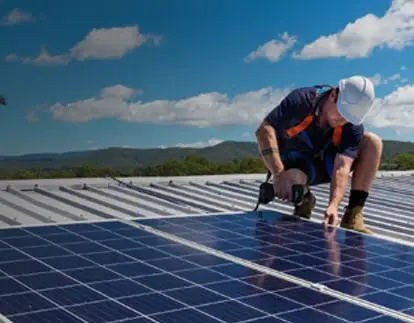
Can solar panels operate in shade?
While solar panels are able to be employed under shade conditions, they still produce more power than they would under optimal conditions.
These variables will determine the exact impact of shading on solar panels.
- Time of shading: The greater the drop in the production of electricity the longer solar panels will remain shaded. Remember that the sun’s rays are constantly changing and sunlight levels can vary from day to day.
- Technology in solar panels The latest panels, that use half-cut photovoltaic cells specially created to limit the effects of partial shade. Standard solar panels, however, don’t have this feature. They do not make use of the PV cells that are cut in half
- Inverter setup: If the central string inverter has been used, shading on one panel could reduce the solar power output of the entire array. By using MLPEs – microinverters and DC power optimizers – shading one panel will not have an impact on the other panels , and will result in a slight reduction in the production of energy.
Before installing solar panels, you must determine the amount of shade your roof will get. Install solar panels using half-cut solar cells, which are connected with MLPEs when you have limited or partial shade. It is also advisable to consider whether solar panels should be placed on top of the shade that is heavy.
An expert solar installer from the [xfield_company] will be able to calculate what amount of sun a specific roof section will get all year. They can also assist you to determine the solar panel’s output as well as the time to payback.
What amount of sunlight does a solar panel need to be economically viable?
A solar renewable energy system is one to invest in if it receives an average of 4 hours of peak sunlight per day.
Four peak hours equals 4000 watts of daily. This is a total of 4000 watts of solar radiation. This blog explains peak hours for sun, as well as the figures for each state.
The amount of sunlight should not be the only factor homeowners think about when evaluating Solar’s cost-effectiveness. When calculating your payback period, you should also consider local utility rates as well as state incentives.
Find out the details about tax incentives, rebates and credits that are available to you.
Your local utility rates will be higher, and the local incentive system will also be higher. This will increase your potential savings. This makes [region], with an average of three maximum sunlight hours each day, one of the most appealing areas to go in the solar energy sector. Payback times could be as low as 3.2years.
Are Solar Panels less efficient in certain temperatures?
Since we are often experiencing the light and heat simultaneously, it is easy to confuse them. There is a huge difference when it comes to solar panels.
Because of the unique characteristics that solar panel panels possess, it is feasible. This is the reason solar panels perform differently in different temperatures.
Science of Solar Energy Conversion Science of Solar Energy Conversion
Solar power is based on sunlight, not heat. This is the number one rule, but it’s often forgotten.
While temperature doesn’t impact the amount of solar energy the panel gets from the sun, it could determine how much of it is converted into electricity. The effectiveness of solar panels can decrease when it’s extremely cold or hot.
It’s a regular occurrence in the field of electronic devices and equipment generally, so this shouldn’t come as a surprise to anyone.
It might be surprising to learn that solar panels can handle more cold than heat. Here’s why.
A Hot Solar Panel vs. A Cold Solar Panel
The atoms vibrate more rapidly in a hot solar cell than when the temperature is cold. The sunlight stimulates electrons in the atoms, causing them to generate electricity.
The excess heat may cause the atoms of atoms to move faster, which makes it difficult for electrons to move through the atoms. This occurs when the energy does not create the electric charge.
Another way of looking at the solar cell is to consider that they produce energy by moving electrons from one energy state (rest) into a higher energy state (excited).
The difference between the excited and rest energy states is less as a solar panel heats up, which means less energy is created.
If the temperature of a solar panel is lower, the opposite occurs. The electrons inside a cool sun’s panel remain stimulated by the sun’s rays, and are able to increase to higher levels of energy. Because atoms don’t move which is the reason they are slower to move.
While electrons are slower to move than in a hot state, they still have more energy than those who move at a greater speed.
What a difference can it bring?
For each degree Celsius increase in temperature, solar panel efficiency decreases by around 0.05 percent. For every degree Celsius decrease in temperature efficiency increases in 0.05 percent.
It is crucial to keep in mind that this refers on the heat of the panel and not to the temperature outside. But, the temperature of the air can affect its temperature.
How the panels are made and their components will impact how efficient they are. It is the “temperature coefficient” is an indication of how well a solar panel is able to handle cold and heat. It’s an array of temperatures at which the panel is able to produce at its best.
Here’s an example. An example of a 200-watt panel operating at 20 degrees Celsius (68deg Fahrenheit) will produce only 180 watts at 45 ° Celsius (113 degree F).
Solar Panels work better in cooler temperatures, buy solar panels that receive more sunlight. It is a better option.
A solar panel’s ideal day can be described as cold as well as sunny and extremely windy. These conditions allow the panel to absorb plenty of solar energy, remain cool and not get carried away by the winds. The production can also be slow down due to extreme arctic temperatures, which are cold. The entire process slows down after an optimum temperature.
While cooler temperatures are preferable for solar panel production than warmer regions, the warmth of the sun compensates for the difference.
Although cooler regions are closer to the sun and the Equator, they produce higher amounts of solar energy whenever the sun is shining. You can still get excellent solar efficiency, regardless of the location you reside in.
Start your solar journey today with [xfield_company]
Comparing quotes is the ideal way to take advantage of all the solar options have to offer. You’ll get up to seven free estimates from solar installers in your local area on the [xfield_companyMarketplace. Marketplace, allowing you to quickly compare choices and select a solution that is suitable for your needs for the best price. Want a quick estimate of the cost to install solar panels? Use our solar calculator.
