
Why are solar panels good for the earth?
Why are solar panels good for the planet?
With more and more buildings opting to install solar panels solar energy is now the most well-known source of solar energy that is renewable for homes and businesses. There is also the growth of solar farms being constructed and this is great news for our earth and the environment. It is essential to comprehend the benefits of solar panels for the environment. Also, be aware of the problems they might cause and how you can solve them.
The Environment Benefits
Since they do not emit emissions and are environmentally friendly solar panels provide numerous environmental benefits.
- This reduces how much energy you use from the Grid. Solar power isn’t available at night , so homes with solar batteries have to be connected to the National Grid in order to have enough energy to operate your home when darkness falls. However, it is decreasing their dependence of their dependence on the National Grid.
- No emissions. Since solar energy is completely dependent on sun’s energy and converts it into electricity or hot water for our homes, it does not emit any greenhouse gases or contribute to global warming. You can reduce your home’s carbon footprint by as high as 80% in a single year.
- It’s renewable. It’s also a kind of renewable energy. Because it is an energy source that will never be exhausted, there is always enough. Fossil fuels, finite sources of energy that could harm the environment through mining and distribution in a way that is not sustainable. You can reduce the amount of homes that rely on fossil fuels by only relying to solar panel systems. This can have a greater impact than you might realize.
- They’re durable and require little maintenance. Even though the process used to manufacture solar panels isn’t ideal (which we will discuss in the following section) but the durability of these panels that last so well and don’t require a lot of maintenance is a great thing. Conventional heating methods need to be replaced and maintained regularly. This could result in a lot more waste and raise the demand for new units. It is not necessary to change solar panels for longer than 50 years.
Although solar energy offers numerous advantages however, there are many concerns about its environmental potential. Let’s start by looking at the financial benefits and environmental benefits of solar energy.
Solar Power Lowers Carbon Footprint Emissions
Because it primarily relies on sunlight, solar energy has the main environmental impact by cutting down on carbon emissions and greenhouse gases. Solar power is more environmentally sustainable than fossil fuels, and requires no additional sources other than water to run.
Solar panels help reduce your dependence on the National Grid and your carbon emissions
Solar energy system can dramatically reduce the amount of power that you draw from the national grid. Clean Energy estimates that a home with a photovoltaic system (PV) can reduce greenhouse gas emissions by 1.3-1.6 tonnes per year.
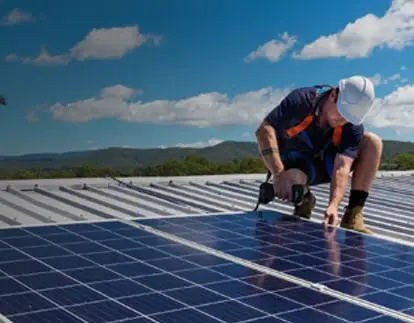
Solar Energy is Sustainable
These resources will soon disappear as the population of the world grows. The sun is the sole supply of power, so solar energy is endless.
This can help reduce the use of finite resources such as coal, oil, or natural gas that are contributing to global warming.
Solar panels last a long time.
While there are numerous areas for improvement, solar technology is durable and lasts around 30 years, with minimal maintenance.
This, too, benefits the environmental environment. There’s less need to maintain and replace this, which could result in more solar panel debris.
Solar Reduces Water Pollution
As with any other process of manufacturing making solar panels, it requires water.
The amount of water required to power solar energy is much lower than for other energy sources that require water for cooling.
The sun's energy boosts the value of property
Each kilowatt solar power is added to the property’s general resales price. The homeowner can definitely consider solar energy as an investment that will last for a long time.
It can be used to reclaim under-utilized land
Solar panels can be erected nearly everywhere. It means land that is brown and other inhabitable zones can be utilized for solar panels without affecting wildlife.
Solar offers electricity that is accessible to off-grid users
If there is sunlight the sun’s energy could generate electricity that is accessible to those who are located in a distance.
Solar Power Systems are Good For the Economy
There are up to 16,000 positions available in the solar energy industries in [location]. The jobs aren’t just abundant, but solar energy is also less expensive than imports, which helps to ensure that prices remain stable.
The Environmental Advantages
There are, however, some issues with solar panels in the environment. These are the important things to be aware of to ensure that future study and advancement can address these issues.
- They can occupy a lot of areas. They can cover entire fields and are huge structures. Since they are built on the surface, solar farms are unable to be shared with other agricultural pursuits. You can minimize the impact on the environment of solar farms by investing in floating solar panels or brownfield sites.
- Water consumption is quite high. Water is used during the production of solar panels. However, this is not an issue. The focus now shifts to thermal panels. To allow cooling systems to be effective solar thermal systems require massive amounts of water. This is due to the fact that many of the most promising areas for solar efficiency have the driest climates. It isn’t easy to overcome this challenge.
- It’s not always easy to keep safe. Solar panels also produce hazardous materials and pollute certain regions. Monocrystalline solar panels produce huge quantities of waste silicon and require more energy. Thin film solar cells may contain harmful materials that could cause environmental damage. However, the safe disposal is the responsibility of most manufacturers, and more companies are taking this step.
- Although solar power has the ability to produce electricity or heat, as well as desalinate water throughout the world however, its price and effectiveness are the main obstacles to its the widespread adoption.
- While solar panels systems do eventually cover their costs, the technology’s lifespan is often overlooked. It is recyclable however it’s usually not.
- Also, consider the energy needed to manufacture solar panels and the production of solar panels. There are many questions regarding whether solar energy is actually green.
What We Can Do to Improve Things
Solar panels are a great and efficient method of generating power to power your house. They’re also green and can greatly decrease the carbon footprint of your home. The idea of investing in solar panels shouldn’t be a reason to avoid, even though the manufacturing procedure and other aspects of it aren’t perfect yet.
Every solar panel you purchase supports the development of research and results in improvements to the quality of the product. There are many aspects which can be improved and they will hopefully improve over time. These are the most important aspects that can be improved.
- Higher levels of efficiency throughout the day
- Evening use: More efficient solar batteries
- Further investment in floating panels for reservoirs
- To reduce the amount of emissions manufacturing process, a greener manufacturing process is required
- Alternatives to the huge amount of water that are used in cooling systems.
Further research and development can help to make these possibilities. So continue investing in solar panels and supporting the development of better panels. We can have more powerful, efficient and more efficient solar energy with the help of the public.
What should you look for in a Solar Company
Solar panels can be a long-term investment. It is therefore essential to examine potential suppliers to pick the most reliable one. What are the best options among the various solar companies that are out there? This step-by-step guide will help you select the most suitable solar service for your needs.
Step 1: Create a list of available solar service providers.
It is the easiest way to evaluate solar providers by preparing a single page document that includes all the pertinent information about each business. You can compile your list by making use of an Excel spreadsheet, Word document, an old piece of paper and a pen. It is possible to include local and national companies which serve your state.
Make your list by conducting a Google search for [xfield_company] and then your city or state.
Step 2: Consider the pros and cons of using either a local installer or a larger company
It is essential to be aware of the distinctions between local{ businesses|| companies} and national companies when comparing provider options. Larger firms tend to be more established and have better warranties. They may also offer more payment options in addition to maintenance services such as panel cleaning.
Local companies will be better acquainted with the state’s permits or rebate rules. Because they serve fewer customers and are located in smaller areas and locations, the process could move faster, which may enable you to schedule appointments for pricing and installation earlier.
This isn’t an right or wrong answer. You should consider whether a smaller company or a large one will be a better fit for your requirements. Be aware of which companies are within each group.
Step 3: Check Company Credentials
A majority of businesses are more focused on experience than their company size. Check out the company websites to see how long they have been operating for. Look at the company websites to see if they feature the number of solar panels that they have installed. Also, consider what types of roofing materials the company has used successfully in the past.
In your comparison document, be sure to note the credentials of each company. Online certifications are commonly used by many firms. However, you can always call the company to verify credentials if they do not list the credentials in their site. [xfield_company] is certified by the North American Board of Certified Energy Practitioners.The NABCEP is a nationally acknowledged certification program for installation and sales which is referred to by its name as the “gold standard.” Installers who hold their NABCEP PV Configuration Professional certification have completed rigorous training and have attained the most rigorous requirements.
Step 4 4. Review the reviews.
If a company does not treat its customers with respect, then all the experiences and certifications in the world are useless. Solar power can be a bit complicated. You need to get the proper permits, decide on the right size for your solar array, and then request tax credits. It is crucial to locate an enterprise that is helpful and willing to help.
Reviews can be found from customers on various websites. Contact the company for references if they don’t have more than a few. [xfield_company] can provide you with up to three references upon your request.
You can use your document to take note of the impressions that you receive based on reviews you have read. This will allow you to remember the issues you’d like to address before moving to the next step.
Step 5: Study the financing options for each Business
There are many methods to finance solar panels. You can make a cash payment or take out a loan (or lease), or sign a power purchase arrangement (PPA). It is important to research the options offered by each company in your list and take note.
If you know how you want your panels to be funded, make sure that the company you are considering offers this option. There is no need to determine which one is the best option for you. You don’t have to be concerned because [xfield_company] has a range of financing options so you are able to discuss your requirements with them.
Step 6: Request a quote
Based on the information you’ve collected for each company make your list of five or six top choices. These are the companies that you should contact to get a customized quote.
[xfield_company] will set up an appointment for you to see your property so that we can accurately calculate the price. You can ask any remaining questions during the meeting that include the following.
- Do you have the ability to handle the permits my state and city need?
- How many panels do I require based on my energy usage per month?
- Does the warranty cover you? If yes, what exactly is it?
- How would it look in the event that I were to take the next steps in my relationship with your company?
Did [xfield_company] come out as the winner after speaking with them? You’re in luck because you’ve found your solar provider. Think about the elements that are crucial to your requirements including cost, reviews from customers as well as the level of service. To learn more about the options available in your region you may also consult this solar calculator.
